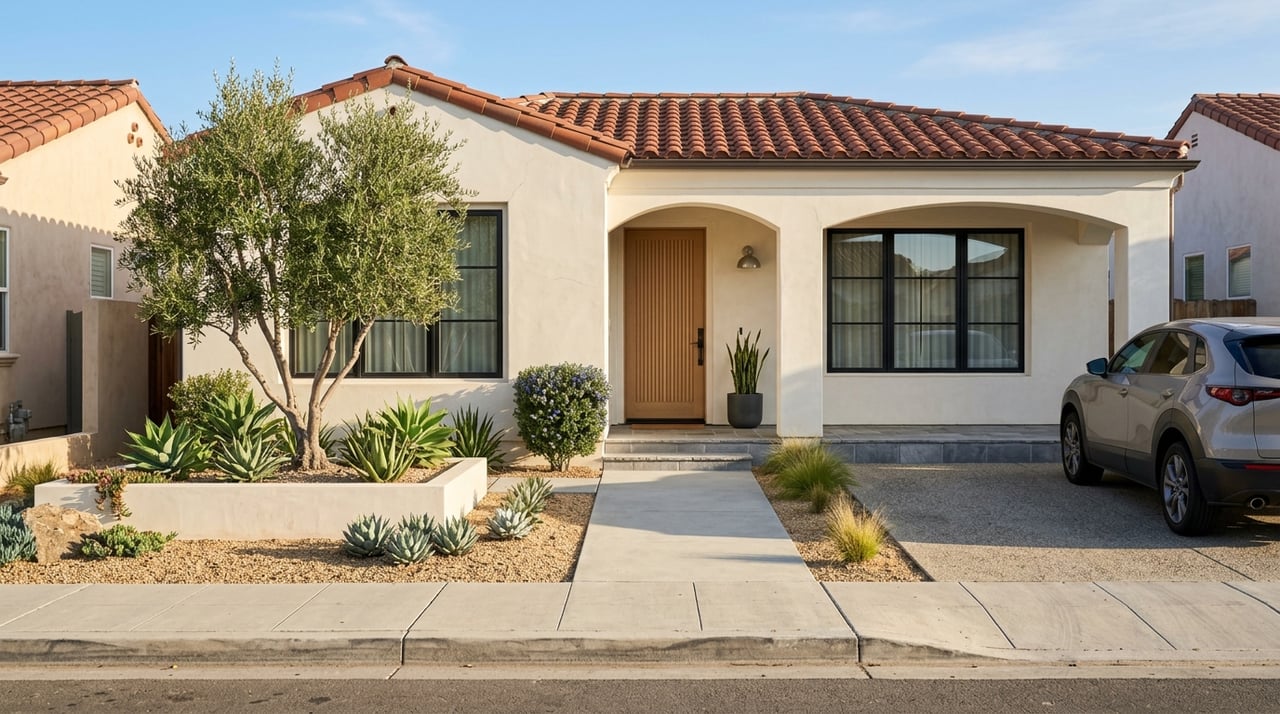
What Everyday Life Really Looks Like In Santee
June 11, 2026
June 11, 2026
If you are trying to picture daily life in Santee, it helps to start with this: it is less about big-city buzz and more about a steady, outdoor-friendly routine built around home, errands, parks, and community events. For many people, that is exactly the appeal. You want a place that feels established, convenient, and connected without feeling hectic. This guide will help you understand what everyday life in Santee really looks like so you can decide whether it fits the way you want to live. Let’s dive in.
Santee is a settled East County city with about 59,104 residents across 16.54 square miles. The city has a median household income of $105,613, and its housing pattern is notably stable, with 71.9% of homes owner-occupied and 89.4% of residents living in the same home one year later.
Those numbers matter because they shape the feel of daily life. Santee tends to feel rooted and routine-driven, with many households building life around work commutes, school schedules, local shopping, and nearby recreation. The average household size is 2.78, and the age mix includes both younger residents and older adults, which adds to the city’s multigenerational feel.
In practical terms, everyday life in Santee often revolves around a few repeat patterns. You run errands close to home, spend time outdoors when the weather allows, and gather for local activities instead of driving somewhere different every weekend.
The city describes itself as a place with open space, convenient shopping, and a hometown-friendly atmosphere. Much of that daily rhythm centers on the 700-acre Town Center district, where retail, residential areas, business uses, Santee Trolley Square, and the trolley station all come together.
That mix gives Santee a self-contained feel. You are not in a dense urban environment, but you are also not cut off from the rest of the region. The city sits between the Pacific Ocean and the Cleveland National Forest and is about 18 freeway miles from San Diego’s beaches, which helps explain why many residents see it as a practical home base with regional access.
One of the clearest things about Santee is that parks and open space are not just extras. They are part of the way people actually use the city day to day. Santee has 10 public parks, 6 trails, 15 sports fields, and 3 dog parks or off-leash areas.
That amount of recreation space supports a very specific kind of routine. Instead of planning your whole day around a destination, you can fit in a playground stop, a trail walk, a dog park visit, or a casual picnic as part of ordinary life.
A few places help paint the clearest picture of real daily living in Santee:
These are the kinds of places that make Santee feel active without feeling rushed. A weekday afternoon might mean stopping at a park after work, while a weekend could easily involve time at the lakes, youth sports, or a longer trail outing.
Santee’s recreation system also shows that the city is designed for a wide range of ages and life stages. The city operates the Santee Teen Center at Big Rock Park and also offers Santee Seniors 55+ programs.
That matters if you are looking for a place where daily life does not cater to only one type of resident. The city’s recreation and gathering spaces support a broader mix of routines, whether that means teen activities, dog walks, fitness, or community programming for older adults.
There is also more on the way. The Santee Community Center is under construction near the Cameron Family YMCA and Santee Aquatics Center, with an anticipated opening in November 2027. That signals continued investment in the Town Center area and suggests that Santee’s civic core is still evolving.
For many households, the question is simple: how easy is it to get through a normal week? In Santee, shopping and everyday errands tend to cluster around Town Center and the Mission Gorge corridor, where retail and commercial uses are part of a balanced mix with residential development.
That setup supports convenience. You are likely to find that everyday tasks like groceries, quick shopping, and casual dining fit naturally into the flow of your week rather than requiring long cross-county drives.
The city’s March 2025 update to the Town Center Specific Plan also points to continued change over the next 10 to 20 years, including more housing, dining, and amenities. So while Santee already functions as a practical daily-life city, parts of its core may become even more active over time.
Santee is not best understood as a nightlife destination. Instead, it stands out for structured, local, community-based events that bring people together throughout the year.
The city’s 2026 special events calendar includes:
The Summer Concert Series has been a city tradition since 1984 and is presented as a free, family-friendly gathering. Events like Holiday Lighting at Santee Trolley Square and Bunny Trail at Town Center Community Park East give the city a seasonal rhythm that many residents likely come to expect year after year.
Another major event, the annual Santee Street Fair and Craft Beer Festival, is described by MTS as drawing more than 30,000 attendees with over 300 vendor booths, live music, and a kids zone. That kind of turnout says a lot about the city’s community culture. In Santee, local life often happens in public, shared spaces during planned civic events.
Transportation is a major part of what daily life feels like in any city, and in Santee, driving is still the default for many trips. The city has direct access to SR-52, SR-67, and SR-125, with convenient connections toward I-8 through SR-67 and SR-125.
Traffic counts help show how that plays out. The city reports daily traffic volumes of about 39,000 vehicles on Cuyamaca Street and 45,400 on Mission Gorge Road. That points to a daily pattern built around key arterials, freeway ramps, and timing your trips well.
The average commute time is 27.9 minutes, which fits the picture of a city where many people leave for work, school, or appointments by car and then return to a home-centered routine later in the day.
Santee also has more transit reach than some people might expect from an East County suburb. The Copper Line serves stations between El Cajon Transit Center and Santee Town Center every 15 minutes most of the day, generally from about 5:00 a.m. to 11:00 p.m.
The city also notes four local bus routes, including commuter express service to Kearny Mesa. That means transit can be a practical option for some trips, especially if you want a connection to SDSU, Mission Valley, or Old Town.
Still, the overall pattern remains car-first. For most residents, transit works as a helpful support system rather than the main way daily life operates.
If you put all of this together, Santee feels like a city where ordinary life is the point. It is not trying to be a nightlife hub, and it does not read as a dense, fast-paced urban center.
Instead, the strongest lifestyle picture is one of parks-and-errands suburban living. Think after-school park time, trail walks, dog park stops, youth sports, community events, and easy access to shopping and regional routes.
For many buyers and sellers, that is a meaningful distinction. If you want a place where home life, outdoor time, and community routines all play a central role, Santee offers a clear identity. It feels established, practical, and active in a grounded, everyday way.
If you are thinking about buying or selling in Santee, working with a local team who understands how people actually live here can make a real difference. Select Living Realty Group offers personalized buyer and seller representation rooted in East County knowledge, clear communication, and thoughtful guidance every step of the way.
Stay up to date on the latest real estate trends.


Your Late-Summer Real Estate Game Plan


Moving to San Diego Family Guide: Top Schools, Neighborhoods & Amenities

A Data-Driven Guide to Maximizing Your Net Proceeds
Select Living Realty Group isn’t just about transactions—it’s about building lifelong relationships. From negotiating the best deal to guiding you through every step, we are always in your corner.