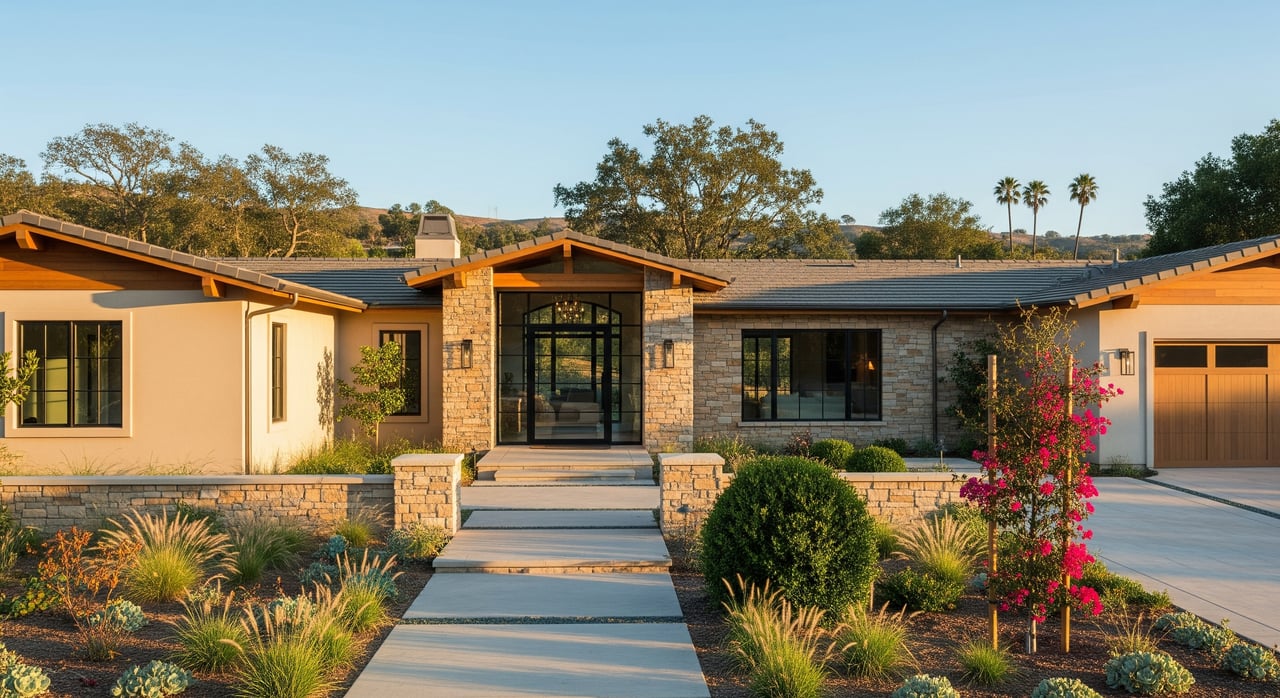
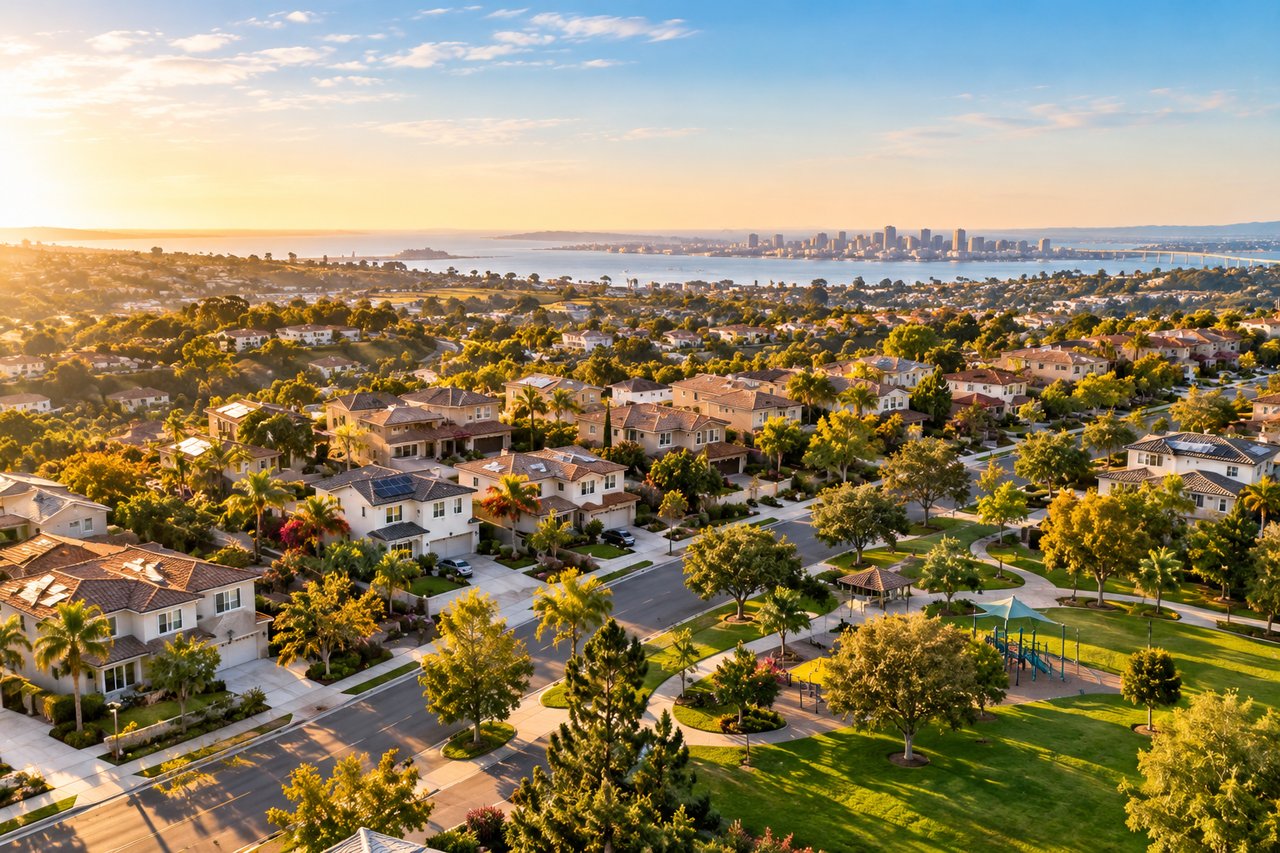
Thinking about selling your Santee home but not sure if you should list during the holidays or wait for spring? You’re not alone. In Santee, buyer demand is shaped by lifestyle, school schedules, and the need for space, and our mild San Diego climate keeps activity moving year-round. In this guide, you’ll learn how seasonality really plays out in Santee, how to choose between a holiday or spring listing, and what to prep in the next 3–9 months to maximize results. Let’s dive in.
Why timing in Santee matters
Santee is an inland San Diego suburb known for single-family homes, neighborhood parks, Santee Lakes, and convenient access to I‑8 and SR‑67. Many buyers here are motivated by lifestyle factors like commute, yard space, and school calendars. That means demand is steady, yet still follows seasonal rhythms.
Because San Diego weather is mild, seasonality is more compressed than in colder markets. Spring and early summer are often strongest, while winter slowdowns are less severe. Local details like inventory in your price range, nearby new construction, and interest rates can influence timing as much as the season itself.
Santee seasonality at a glance
- Spring to late spring (March–June). This is traditionally the busiest period. Inventory rises, buyer activity jumps, and days on market often shorten. Many families aim to move before summer ends, which supports pricing and pace.
- Early summer (June–July). Demand remains solid as buyers try to close before the next school year. Well‑priced homes can still attract strong interest.
- Late summer to early fall (August–September). Activity can dip as school starts and vacations end. The buyer pool shrinks, so marketing and pricing precision matter more.
- Fall and holidays (October–December). Showings typically slow, but buyers who are active tend to be motivated. With fewer new listings, your home can stand out if it is positioned well.
- Winter (January–February). It’s quieter, but early listings can capture buyers who start hunting before the spring rush.
Holiday vs. spring listing: how to choose
Both windows can work in Santee. The right choice comes down to your deadline, prep needs, and comfort with tradeoffs.
Spring advantages
- Larger buyer pool and stronger overall traffic.
- Often shorter days on market and favorable pricing conditions.
- Ideal if your goal is maximum exposure and you can wait.
Holiday advantages
- Less competition from other listings, which can help your home stand out.
- Buyers who tour in this window are often serious and ready to move.
- Useful if you need to close by year‑end or prefer fewer showings.
Simple decision rules
- If your timeline is more than 3 months and you value peak exposure, aim for a spring listing.
- If you must sell within the next 3 months or require a Q4 closing, consider a holiday listing with realistic pricing and targeted marketing.
- If you prefer fewer open houses and a more selective buyer pool, Q4 can be a strategic choice.
Your 3–9 month plan
Use your lead time to strengthen your position, no matter which season you target.
If listing in 3 months
- Weeks 1–2: Connect with an agent for a neighborhood‑level analysis, order preliminary inspections if appropriate, and gather disclosures.
- Weeks 2–6: Complete essential repairs, deep clean, declutter, and do light staging.
- Weeks 6–8: Schedule professional photos, finalize the marketing plan, and set your list date.
If listing in 3–6 months
- Month 1: Choose your agent, scope repairs and updates, and obtain contractor quotes.
- Months 2–4: Complete renovations, landscaping, and staging prep so the home is photo‑ready.
- Last 4–6 weeks: Lock your pricing strategy, schedule media, and start pre‑marketing to likely buyers and local agents.
If listing in 6–9 months
- Use off‑peak months to handle larger upgrades and permits so you launch in spring or early summer.
- Track interest rates and inventory 60–90 days before listing to confirm your window.
- Refresh comps and adjust the plan as market conditions develop.
What to measure before you list
Target the most relevant neighborhood or ZIP‑level data so your plan fits your micro‑market.
- New listings per month. Shows when competition rises or tightens.
- Pending and under‑contract counts. Signals current demand.
- Median sale price and median list price. Tracks pricing direction.
- Days on market (median and distribution). Reveals speed and momentum.
- List‑to‑sale price ratio. Indicates negotiation pressure.
- Months of supply or absorption rate. Shows how quickly inventory turns.
- Closed sales per month. Confirms where activity is clustering.
- Price bands. Know where your home competes, such as entry‑level or upper‑mid market.
- Buyer traffic that agents track. Showings per listing and tour requests help gauge interest.
- New construction activity. Nearby projects can affect supply.
- Local school calendar dates and seasonal events. These can influence buyer availability.
Recommended sources include SDAR or local MLS reports for neighborhood‑level stats, CAR and NAR for regional and seasonal insights, and local planning or assessor offices for permits and construction trends. Ask your agent to compile a 12‑month and 36‑month view so you can see seasonality and longer‑term trends side by side.
Pricing and negotiation by season
- Spring. Consider moderate to confident pricing based on comps and competing listings. In hot pockets, multiple offers are possible when the home is well‑presented.
- Late summer and fall. Price in line with the most recent pending comps and emphasize buyer‑friendly terms, such as flexible closing or move‑in timing.
- Winter and holidays. Be conservative on price or highlight unique benefits, like turnkey condition, energy efficiency, or easy access to major corridors.
Season‑specific staging and marketing
Strong presentation is essential in any season. Small, targeted changes can lift your photos and showings.
- Spring and early summer. Boost curb appeal with fresh landscaping, paint touch‑ups, and clean outdoor areas. Showcase patios, yards, and family‑friendly spaces. Schedule daytime and twilight photography.
- Late summer. Highlight cooling features, shade, and outdoor usability. Emphasize proximity to parks, lakes, and everyday conveniences.
- Fall and holidays. Keep decor tasteful and minimal. Lean into cozy lighting and indoor entertaining spaces. Offer flexible showings around holiday schedules.
- Winter. Highlight energy efficiency, updated systems, and nearby shopping or transit conveniences.
Professional marketing raises your odds in any window. High‑resolution photography, video tours, individual property websites, thoughtful staging, targeted direct mail, and wide MLS syndication help your home reach the right buyers quickly.
Questions to ask your agent
- What are the last 6–12 months of days on market and sale‑to‑list ratios for comparable Santee homes in my price range?
- How many comparable homes are currently active, pending, and sold in the last 30 and 90 days?
- Which price bands are most active right now, and where does my home compete?
- Will listing before or after local school enrollment dates affect my likely buyer pool?
- What is your marketing plan for a holiday listing versus a spring listing, including open houses, agent outreach, and online exposure?
- Do you recommend a pre‑inspection or premarket repairs for my property, and why?
Bottom line for Santee sellers
You can sell successfully in Santee in any season. Spring and early summer generally offer the broadest buyer pool and faster pace, while a holiday listing can work when you price precisely and lean on standout presentation. The key is to align your timeline, prep plan, and pricing with real neighborhood data and a clear marketing strategy.
Ready to map your best timing and build a plan that fits your goals? Connect with Select Living Realty Group for a neighborhood‑level analysis, premium media, and a step‑by‑step path to market. Request your free home valuation.
FAQs
When is the best month to sell a home in Santee?
- Spring through early summer often brings the most buyer activity and shorter market times, though results still depend on inventory, pricing, and interest rates.
Is listing during the holidays in Santee worth it?
- Yes, if you want less competition and are comfortable with fewer but more motivated buyers, supported by strong presentation and realistic pricing.
How far in advance should I contact an agent before selling in Santee?
- Reach out at least 2–3 months before your target list date, or 6–9 months if you plan renovations or significant prep.
Should I finish renovations before listing my Santee home?
- Minor cosmetic updates and necessary repairs typically increase appeal, while larger projects should be timed to finish just before your desired listing window.
What market metrics should I watch before listing in Santee?
- Focus on days on market, list‑to‑sale ratio, months of supply, pending sales, and new listings in your price band to guide timing and pricing.